The Digital Architecture: Inside the Online Auction Market Platform

The seamless and often exhilarating experience of participating in an online auction is made possible by a sophisticated and multi-layered technological system known as the platform. This modern Online Auction Market Platform is far more than just a website; it is an integrated ecosystem of software, databases, and network infrastructure designed to manage complex, real-time interactions between potentially millions of users. It is the digital equivalent of the auction house, the auctioneer, the catalog, and the cashier all rolled into one. The platform's architecture is responsible for everything from user registration and identity verification to the creation of detailed item listings, the execution of the bidding process, the secure processing of payments, and the management of post-sale logistics. The robustness, scalability, and security of this underlying platform are the most critical factors determining the success and trustworthiness of any online auction business. A well-designed platform creates a fair, transparent, and engaging environment, while a poorly designed one can lead to frustration, fraud, and a complete breakdown of market confidence.
The architecture of an online auction platform can be broadly divided into the front-end and the back-end. The front-end is the user-facing portion of the platform—what the buyer and seller see and interact with. This includes the user interface (UI) for browsing and searching for items, the tools for creating and managing listings (including photo uploads and description entry), the user dashboard for tracking bids and watched items, and, most critically, the bidding interface itself. For a timed auction, this interface must display a real-time countdown clock and instantly update with new bids. For a live-streamed auction, it must seamlessly integrate a video feed with a low-latency bidding button. The design of the front-end (the UX/UI) is paramount; it must be intuitive, responsive, and reliable, especially during the final, high-pressure moments of an auction. A confusing or slow interface can cause a bidder to miss out on an item, leading to a negative experience and potential loss of a customer. Modern platforms are designed with a "mobile-first" approach, ensuring a flawless experience on smartphones and tablets, where a growing majority of bidding activity now takes place.
The back-end is the powerful, unseen engine that drives the entire platform. This is where the core business logic resides, and it consists of several key components. A robust database management system is the foundation, securely storing all user data, item listings, bid histories, and transaction records. The "bidding engine" is the most critical piece of back-end logic. This algorithm is responsible for validating bids, determining the current high bidder, managing proxy bids (where a user sets a maximum price and the system bids on their behalf), and ultimately declaring a winner when the auction ends. This engine must be incredibly fast, accurate, and resilient to ensure a fair process. The back-end also handles user authentication and reputation management, often through a system of ratings and reviews. It integrates with secure third-party payment gateways (like Stripe or PayPal) to process transactions without storing sensitive credit card information. It also includes the administrative tools that allow the platform owner to monitor activity, resolve disputes, and manage the overall health of the marketplace, ensuring a safe and orderly environment for commerce.
The seamless operation of a modern online auction platform is heavily reliant on its cloud infrastructure and connectivity services. Most platforms today are built on scalable cloud services from providers like Amazon Web Services (AWS), Google Cloud, or Microsoft Azure. This cloud-based architecture provides several key advantages. It offers virtually unlimited scalability, allowing the platform to handle sudden spikes in traffic, such as during the final seconds of a popular auction, without crashing. Cloud services also provide a high degree of reliability and redundancy, ensuring the platform is available 24/7. They also offer a suite of managed services that simplify development, such as database services, content delivery networks (CDNs) for faster image loading, and powerful data analytics tools. Furthermore, the platform relies on a variety of communication services, such as email and push notification systems, to instantly alert users when they have been outbid, when an auction they are watching is about to end, or when they have won an item. This intricate web of front-end design, back-end logic, and cloud infrastructure all works in concert to create the seemingly simple, real-time experience of a modern online auction.
Top Trending Reports:
Categories
Read More
In the sprawling multiplayer world of Dune: Awakening, survival on Arrakis demands more than just outlasting the desert. Even in the vast, sun-scorched sands, the empire's reach is absolute and its governance inescapable. A key pillar of this imperial control is the mandatory tax system, a mechanic that every player must engage with. Navigating this obligation is straightforward once you learn...

Druid Ascendancies Overview In Path of Exile 2, Druids harness the raw force of nature through their mastery of elemental magic and shape-shifting abilities. These skills enable them to dominate foes with ease, transforming the battlefield into their domain. To enhance their capabilities further, players can select from various ascendancy classes, each acting as a specialized subclass that...
Carolina, a formidable mage from the Graveborn faction in AFK Journey, specializes in enemy control and amplifying damage against afflicted foes. Her skills revolve around freezing enemies and exploiting their vulnerabilities. Her signature move, Frozen Grave, delivers a powerful strike that both damages and immobilizes an opponent, while summoning an icy zone that causes frostbite, hindering...
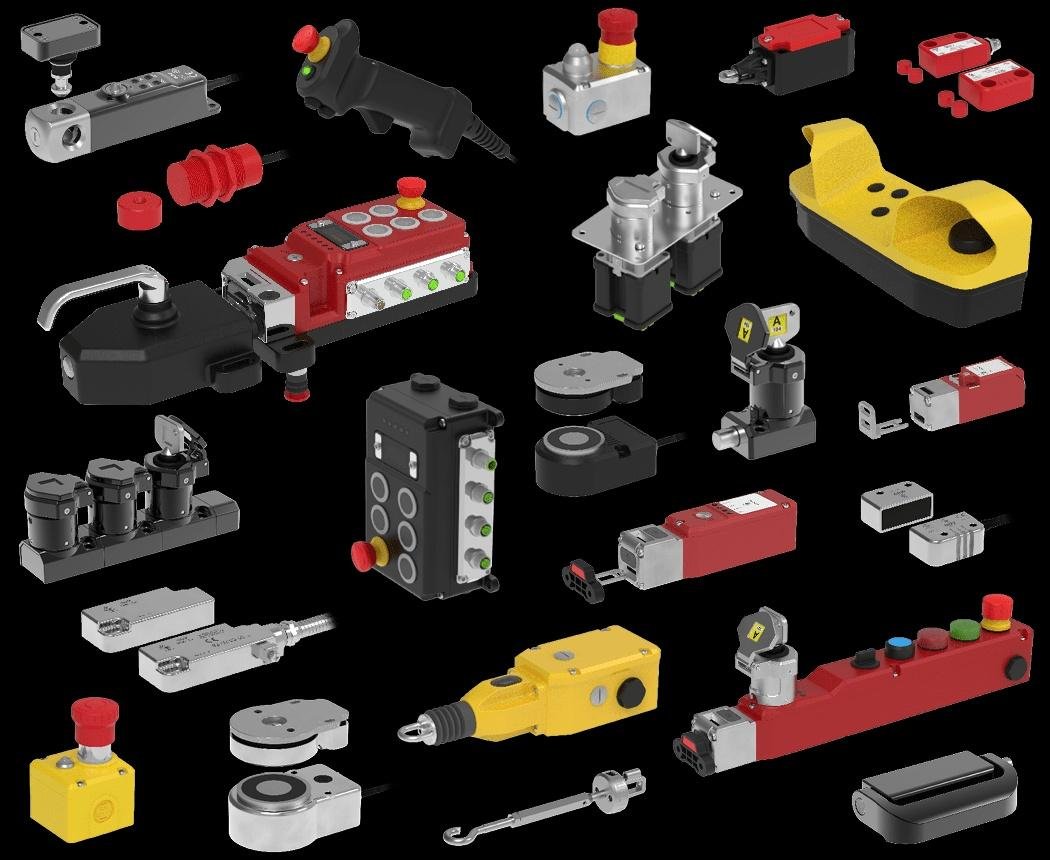
The global Machine Safety Interlock Switches Market is witnessing strong growth due to increasing industrial automation, rising emphasis on worker safety, and stringent government regulations across manufacturing industries. Valued at US$ 1.7 Bn in 2022, the market is projected to reach US$ 3.2 Bn by the end of 2031, expanding at a CAGR of 7.7% during the forecast period from 2023 to 2031....
When you defeat Black Bear Guai at the end of chapter one in Black Myth: Wukong, you're prompted to continue. This can leave you wondering whether you'll ever be able to return to previous chapters or replay sections you've finished. The answer isn't straightforward, but here's what you need to know about post-chapter exploration. Can you replay previous chapters? No, you cannot replay...