Beyond the Bulk: The Ultimate Guide to Lightweight Knee Braces
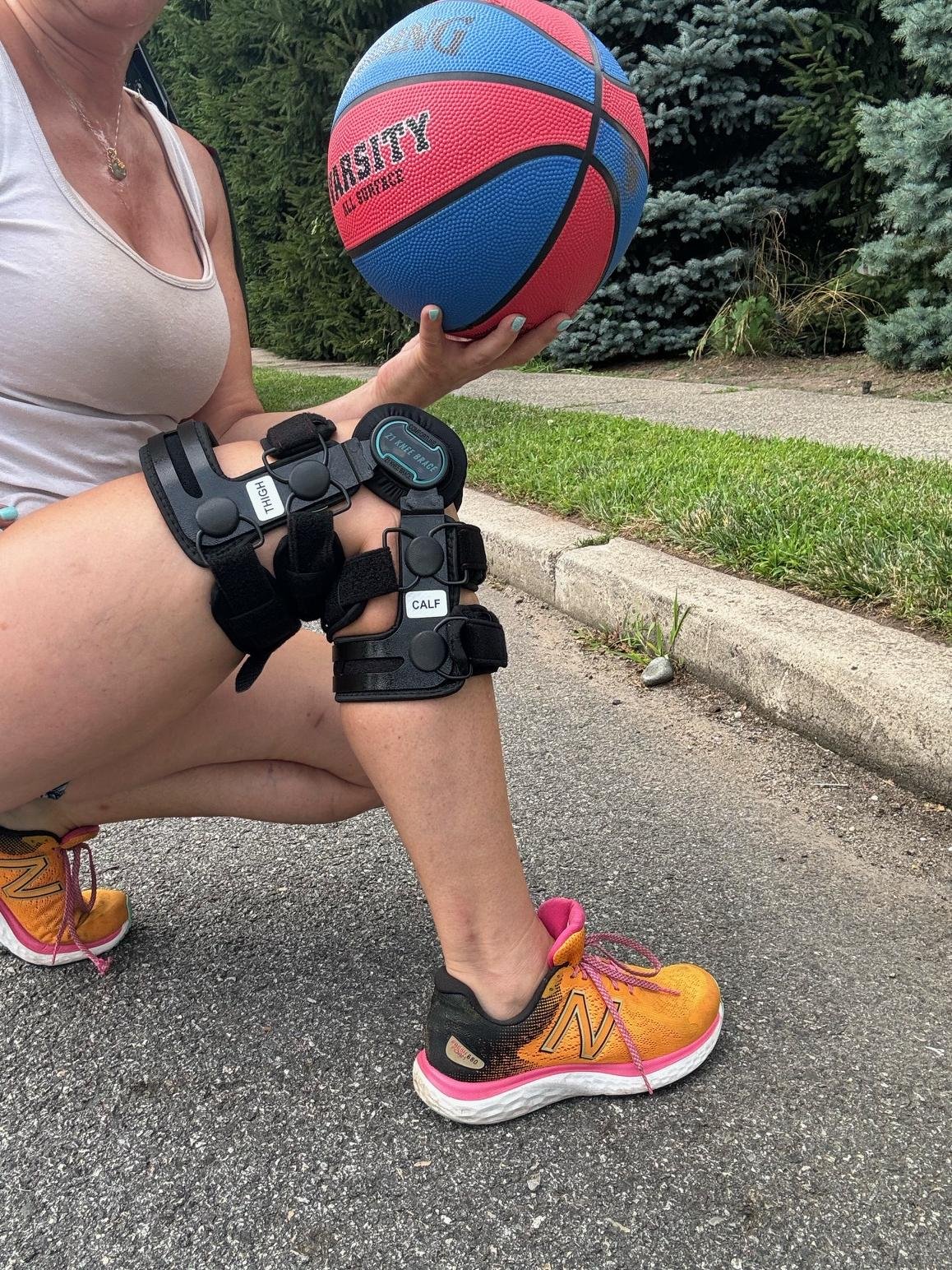
For a long time, wearing a knee brace meant strapping on a clunky, heavy contraption that felt like a medieval piece of armor. While those rigid, heavy-duty braces still have their place in severe surgical recovery, a massive shift has occurred toward lightweight knee braces.
Whether you are a runner trying to outrun a minor case of tendonitis, a traveler navigating miles of cobblestone streets, or someone managing everyday arthritis, modern lightweight knee braces offer a sweet spot: stabilizing support without the restrictive weight.
Here is everything you need to know about choosing the right lightweight knee brace to keep you moving comfortably.
Why "Lightweight" is Changing the Game
Traditional braces with heavy steel inserts can weigh well over a pound, making them exhausting to wear during long walks or workouts. They trap heat, cause skin irritation, and stubbornly bulge under normal clothing.
In contrast, modern lightweight alternatives rely on cutting-edge materials and ergonomic design. The benefits are clear:
- Breathability and Moisture Control: Advanced circular knits and open-mesh panels actively wick away sweat, keeping the joint cool.
- Low-Profile Discretion: They are thin enough to slide easily under jeans, trousers, or athletic gear without creating a massive bulge.
- Travel-Friendly Packability: Weighing anywhere from 2 to 6 ounces, these braces can be rolled up to the size of a pair of socks, making them perfect for carry-on bags or gym sacks.
- Reduced Muscle Fatigue: Less weight on your leg means you expend less energy, allowing you to stay active longer without your leg feeling weighed down.
Types of Lightweight Knee Braces
"Lightweight" doesn't mean one-size-fits-all. Depending on your specific pain point, different designs offer varying levels of support.
1. Compression Knee Sleeves
- Weight: 2–4 oz
- Best For: General soreness, mild swelling, arthritis, and everyday workouts.
- How it works: Made from elastic, nylon, or spandex blends, these sleeves slip right over the leg. They provide mild, uniform compression that increases blood circulation, reduces swelling, and enhances proprioception (your brain's awareness of the joint's position).
2. Patellar Tendon Straps (Knee Straps)
- Weight: 1–2 oz
- Best For: Runner’s knee, jumper’s knee (patellar tendonitis), and Osgood-Schlatter disease.
- How it works: The ultimate minimalist option. This is a thin, adjustable band worn directly below the kneecap. It applies targeted pressure to the patellar tendon, redistributing stress away from the painful area without covering the rest of the leg.
3. Open-Patella Stabilizer Braces
- Weight: 4–6 oz
- Best For: Mild ligament sprains, patellar tracking issues, and moderate tracking pain.
- How it works: These often feature a cutout over the kneecap (often reinforced with a gel tracking ring) and may include flexible spiral side-stays. They give you more structural lateral and medial support than a basic sleeve but skip the heavy metal hinges.
4. Modern Hinged Braces (The Hybrid Exception)
- Weight: 8–12 oz
- Best For: Mild-to-moderate ligament tears (ACL/MCL) or post-op stability.
- How it works: If you absolutely need a hinged brace for structural stability, you no longer have to settle for heavy iron bars. Modern lightweight hinged braces utilize ultra-light materials like aerospace-grade aluminum or carbon fiber hinges embedded in breathable mesh fabrics.
Key Materials to Look For
When shopping for a lightweight brace, the tag tells the story. Look for these high-performance materials:
| Material | What It Does | Why It's Great for Lightweight Braces |
|---|---|---|
| 3D Knit / Spacer Fabric | Woven, breathable elastic structures. | Form-fits to your anatomy without shifting or bunching behind the knee. |
| Aerated Neoprene | Neoprene punctured with tiny micro-holes. | Retains therapeutic heat to soothe muscles but allows sweat to escape. |
| Carbon Fiber / Aluminum | Used in lightweight hinged models. | Provides rigid skeletal support at a fraction of the weight of steel. |
| Silicone Grip Strips | Waves or lines of silicone on the inner rims. | Keeps the ultra-light brace from sliding down your leg during activity. |
How to Choose the Right One for You
To find the perfect balance between weight and protection, ask yourself these two questions:
What is the primary issue?
If you are dealing with a structural injury (like a ligament pop or a severe meniscus tear), you need a lightweight brace with side stabilizers or hinges. If your issue is chronic dull pain, swelling, or minor aches, a compression sleeve or strap is more than enough.
What is your activity level?
For high-cardio sports like running or basketball, a moisture-wicking 3D knit sleeve or patellar strap will prevent overheating. For weightlifting or walking on uneven hiking trails, a slightly more structured open-patella brace with flexible side-stays will offer the extra confidence your joint needs.
A Quick Word of Caution: While lightweight braces are excellent for management and prevention, they shouldn't replace medical advice. If you experience severe instability, a "locking" sensation in the joint, or sharp, sudden pain, consult an orthopedic specialist or physical therapist before self-treating.
The Bottom Line
A heavy brace you leave in your closet is completely useless. The beauty of a lightweight knee brace is compliance—because it’s comfortable, breathable, and easy to wear, you will actually keep it on. Pick the style that matches your specific type of discomfort, and get back to moving freely.
Catégories
Lire la suite
Support offensif électrique Découverte en 2020 lors d’un aperçu dans un trailer, Iansan a captivé l’attention des fans jusqu’à sa disponibilité en jeu avec la mise à jour 5.5 de Genshin Impact. Ce personnage de quatrième étoile offre de nouvelles possibilités stratégiques pour renforcer vos...

I’ve lost count of how many screenshots of Honkai: Star Rail’s text messages I’ve sent to friends. Roughly once a day, a character slides into my DMs with something absurd—asking for career advice, calling me “Fam,” or posting a GIF of sparkling roses like a Facebook mom. And I get to respond as Stelle, the deadpan protagonist who lives to annoy her pals with...
'E.T.' Returns: Can a Classic Capture Today's Audience? As Universal prepares to reintroduce its beloved alien to theaters on March 22, questions arise about how this 20th anniversary release will resonate with contemporary viewers. Despite being one of cinema's most profitable creations, "E.T. the Extra-Terrestrial" faces unique challenges in today's entertainment landscape. While the...
Introduction About Paulo Jorge dos Santos Futre Paulo Jorge dos Santos Futre is widely recognized as an exceptional left wing player whose dynamic style and flair on the pitch captivated fans throughout his career. His ability to dominate the flank with blistering pace and technical skill made him a constant threat to opposition defenses, earning him a reputation as one of the most exciting...
A vibrant new chapter for Barbary Lane unfolds, bringing beloved characters back to life. Laura Linney returns as Mary Ann Singleton, reuniting with Olympia Dukakis's Anna Madrigal. Ellen Page joins the ensemble as Shawna, adding fresh energy to this iconic San Francisco story. The cast expands with both familiar faces and exciting newcomers. Paul Gross reprises his role as Brian Hawkins,...