Blockchain Gaming: Transforming Digital Ownership and Play-to-Earn Ecosystems
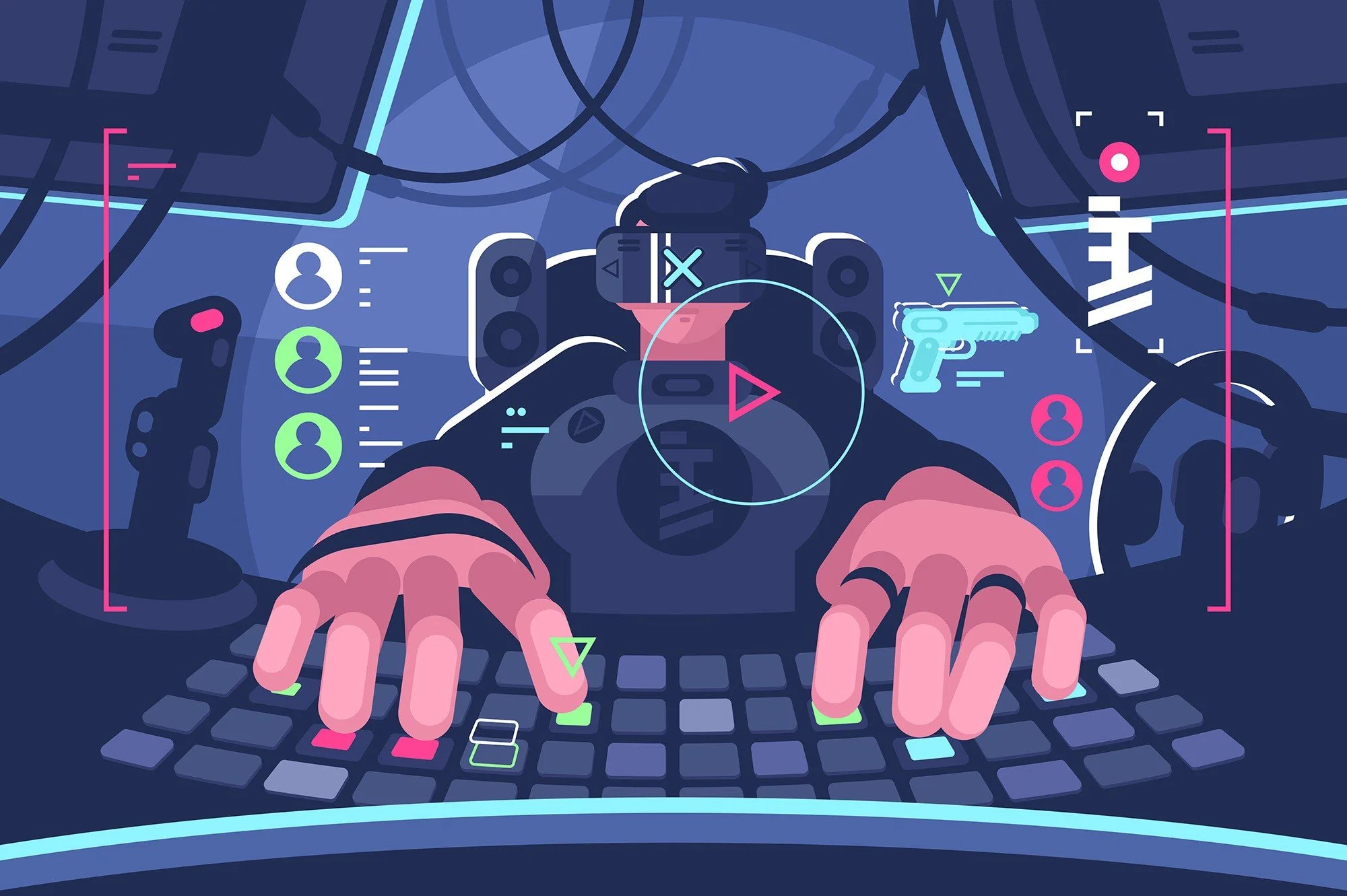
Blockchain gaming is rapidly redefining the global gaming industry by introducing decentralized ownership, transparent economies, and new monetization models for players and developers alike. Unlike traditional games where in-game assets are controlled entirely by publishers, blockchain-based games leverage distributed ledger technology to give players true ownership of digital assets. These assets, often represented as non-fungible tokens (NFTs), can include characters, skins, weapons, land, and other virtual items. This shift empowers gamers to buy, sell, or trade assets freely across marketplaces, creating real-world value and fostering player-driven economies.
One of the most transformative aspects of blockchain gaming is the play-to-earn (P2E) model. In this ecosystem, players are rewarded with cryptocurrencies or NFTs for participating in gameplay, completing missions, or contributing to the in-game economy. This model has gained significant traction, particularly in emerging markets, where gaming can serve as an alternative income source. By aligning incentives between developers and players, play-to-earn mechanics encourage long-term engagement and community participation, moving beyond the traditional pay-to-play or free-to-play frameworks dominated by microtransactions.
Blockchain gaming also enhances transparency and trust within virtual environments. Smart contracts automate in-game transactions, reward distributions, and governance mechanisms without the need for intermediaries. This reduces fraud, ensures fairness, and enables provably scarce digital assets. Additionally, decentralized autonomous organizations (DAOs) are increasingly being integrated into blockchain games, allowing players to participate in decision-making processes such as game updates, economic policies, and content development. This community-led governance model strengthens player loyalty and reshapes how games evolve over time.
Interoperability is another key advantage of blockchain gaming. Assets created on one blockchain-based platform can potentially be used across multiple games or virtual worlds, contributing to the broader concept of the metaverse. This cross-platform compatibility enhances asset utility and long-term value while encouraging collaboration between developers. As blockchain standards mature, interoperability is expected to unlock richer gaming experiences and seamless movement of digital identities across ecosystems.
Despite its promise, blockchain gaming faces several challenges, including scalability, user experience complexity, regulatory uncertainty, and environmental concerns related to energy-intensive blockchains. However, advancements in layer-two solutions, eco-friendly consensus mechanisms, and simplified onboarding processes are addressing these barriers. As technology continues to mature, blockchain gaming is poised to become a mainstream segment of the gaming industry, blending entertainment, finance, and digital ownership. By redefining how value is created and shared, blockchain gaming represents a significant step toward a more open, player-centric digital future.
Catégories
Lire la suite
Introduction In recent years, the concept of wellness has expanded far beyond gym routines and healthy diets. Adults today are seeking deeper, more holistic ways to relax, reconnect with themselves, and release the pressures of modern life. One emerging trend gaining attention is masajes eroticos, a practice that blends relaxation, mindfulness, and sensual awareness into a unique wellness...

Calendrier et Événements Valorant Pour rester à jour avec le calendrier de Valorant, il est crucial pour les joueurs de suivre toutes les activités du jeu, qu'il s'agisse de tournois e-sport ou de mises à jour majeures du contenu. Que vous soyez un fan occasionnel ou un compétiteur acharné, connaître la date de la prochaine mise à...

Netflix has entered into an exclusive global deal with acclaimed producer and writer Alex Pina, renowned for creating the international hit series La Casa de Papel (Money Heist). This partnership signifies Netflix’s commitment to collaborating with visionary storytellers who push creative boundaries. Under this agreement, Pina, founder of Vancouver Media, will develop and produce new...
Introduction to Squad Battles Squad Battles offers a solo gaming experience within FC 26 Ultimate Team. Players face off against AI-managed squads, which have been assembled by other users from around the globe. This mode allows you to compete against a variety of team lineups, testing your skills against computer-controlled opponents each week. Weekly Competition and Rewards Each week, the...
Netflix Unveils Prequel Series Exploring Iconic Villain's Origins In an unprecedented move, streaming giant Netflix has greenlit a two-season, eighteen-episode series that will explore the backstory of one of cinema's most chilling antagonists. The upcoming drama, titled "Ratched," will trace the evolution of the infamous nurse from "One Flew Over the Cuckoo's Nest," with production scheduled...