An In-Depth Look into the Revolution of the Global Virtual Fitness Industry
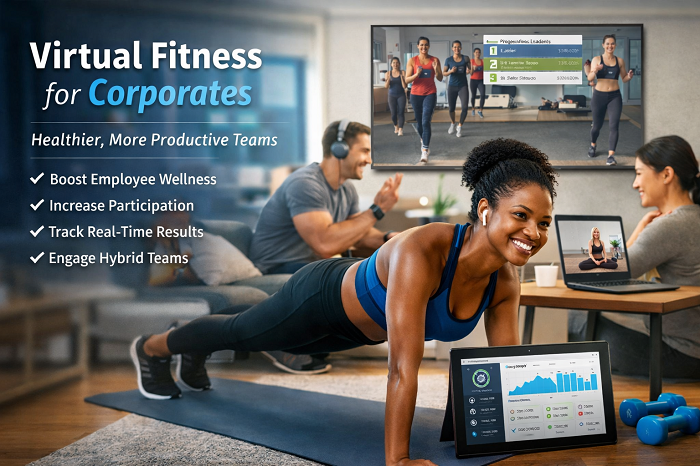
The global virtual fitness industry has rapidly evolved from a niche segment of the wellness market into a dominant force, fundamentally reshaping how people approach their health and exercise routines. At its core, this industry leverages digital technology to deliver fitness and wellness experiences directly to consumers, anytime and anywhere. This transformation began with VHS tapes and DVDs but has accelerated dramatically with the advent of high-speed internet, smartphones, and connected devices. Today, the sector is a complex ecosystem of live-streamed classes, on-demand video libraries, personalized coaching apps, and sophisticated connected hardware. The primary appeal lies in its unparalleled convenience, offering a solution to the time, cost, and motivational barriers often associated with traditional gym memberships. A comprehensive look at the Virtual Fitness industry reveals a dynamic landscape where technology and fitness converge to create engaging, accessible, and highly personalized user experiences. This shift, supercharged by a global increase in health consciousness and the demand for at-home solutions, has cemented virtual fitness as a permanent and influential fixture in the broader health and wellness landscape, changing consumer expectations and forcing traditional players to adapt or risk obsolescence.
The industry is broadly segmented into several key categories, each catering to different consumer preferences and investment levels, creating a diverse and multi-layered market. The first major segment is on-demand content, which consists of vast libraries of pre-recorded workout videos that users can access at their convenience. Platforms like Les Mills On Demand and Daily Burn excel in this area, offering a wide variety of workout styles, from HIIT and strength training to yoga and dance. The second segment is live-streamed classes, which aim to replicate the energy and real-time motivation of an in-person group fitness class. These sessions allow for instructor shoutouts and community interaction through leaderboards, fostering a sense of shared experience. The third, and perhaps most disruptive, segment is connected fitness hardware. Companies like Peloton, Tonal, and Hydrow have built integrated ecosystems around a piece of equipment—be it a stationary bike, a digital strength machine, or a rowing machine. This hardware is seamlessly integrated with proprietary software and content, creating a premium, "walled-garden" experience that commands high user loyalty and recurring subscription revenue. These distinct yet often overlapping segments provide multiple entry points for consumers, from low-cost apps to premium hardware investments.
The technological backbone of the virtual fitness industry is sophisticated and constantly evolving to enhance user engagement and deliver tangible results. High-quality streaming technology is foundational, ensuring a smooth, buffer-free experience for both live and on-demand classes. A critical element is the seamless integration with wearable devices, such as Apple Watches, WHOOP straps, and heart rate monitors. This allows platforms to pull real-time biometric data—like heart rate, calories burned, and strain—and display it on-screen, providing users with immediate feedback and a quantifiable measure of their effort. Artificial intelligence (AI) and machine learning are increasingly being used to power personalization engines. These algorithms analyze a user's workout history, performance data, and stated goals to recommend specific classes, create tailored training programs, and even provide real-time form correction through computer vision. Furthermore, gamification elements are heavily employed to drive motivation and retention. Features like leaderboards, achievement badges, milestone rewards, and social challenges tap into principles of behavioral psychology to make fitness feel more like a game, encouraging consistency and fostering a sense of community and friendly competition among users.
The competitive landscape of the virtual fitness industry is both crowded and dynamic, featuring a diverse array of players vying for consumer attention and subscription dollars. At the top are the pure-play, vertically integrated digital platforms, with Peloton being the most prominent example. These companies control the hardware, software, content, and retail experience, creating a powerful brand and ecosystem. They compete with other connected fitness players like iFIT (owner of NordicTrack and ProForm) and emerging innovators like Tonal (digital strength) and Mirror (interactive fitness display). Another major group of competitors consists of technology giants who have entered the space by leveraging their massive existing user bases and hardware ecosystems. Apple Fitness+ is a prime example, seamlessly integrating with the Apple Watch and offering high-production-value content to hundreds of millions of Apple device owners. Traditional gym chains and fitness brands have also been forced to compete by launching their own digital offerings, such as Equinox's Equinox+ and Life Time's digital membership. Finally, the landscape is populated by thousands of independent content creators and fitness influencers who use platforms like YouTube, Instagram, and their own dedicated apps to build loyal followings and offer specialized, personality-driven fitness programs, further fragmenting the market.
Explore Our Latest Trending Reports:
Brain Computer Interface Market
Categorieën
Read More
Today, Microsoft released urgent security patches targeting a critical flaw in the Active Template Library (ATL), which could enable malicious actors to execute arbitrary code remotely. ATL, a vital collection of programming tools, is extensively employed by developers to craft controls and components such as Automation and ActiveX applications within the Windows environment. However,...

Unlocking US Netflix Abroad Access Netflix USA from Germany: A Comprehensive VPN Guide Netflix libraries vary significantly by region, with the US version offering a much broader selection of content than what's available in Germany. Fortunately, there's a simple solution to this geographical limitation. When you connect to Netflix from Germany, the service identifies your location through...
PlayStation enthusiasts can look forward to an exciting new addition this summer, as the highly anticipated Marvel Rivals is set to enter open beta testing in July. While an exact date has not yet been disclosed, fans are eager for the opportunity to try the game firsthand. Marvel Rivals has quickly become one of the most talked-about titles of 2024, capturing attention with its...
Genshin Impact 6.3 Preview The upcoming Genshin Impact 6.3 livestream is highly anticipated, promising to unveil a comprehensive overview of the latest developments. Fans can expect detailed insights into new playable characters, banner configurations, story progression, and limited-time events that will soon arrive in the game. Currently, the game is enjoying the ongoing 6.2 update, which...
In the recent Shrouded Sky update for Arc Raiders, players encountered a new flying foe known as the Firefly. This combat drone not only challenges players from the skies but also harbors a hidden feature: it can be ridden. Jumping onto a Firefly allows players to soar above the battlefield, offering a tactical advantage by attacking from above. However, this thrilling ride comes with an...