A Deep Dive into the Global Electronic Lab Notebook Industry Landscape

The modern research and development landscape is undergoing a profound digital revolution, moving away from paper-based records towards integrated, intelligent data management systems. At the forefront of this transformation is the burgeoning Electronic lab notebook industry, a sector dedicated to providing software solutions that replace traditional, physical lab notebooks. An Electronic Lab Notebook (ELN) is a sophisticated digital platform designed to help scientists, researchers, and technicians record, manage, and share their experimental data in a secure, compliant, and searchable format. Unlike a simple word processor or spreadsheet, an ELN is a purpose-built system that captures not only experimental procedures and results but also the entire context surrounding the research. This includes instrument data, metadata, sample information, and collaborative discussions, all linked to a specific experiment with a secure, time-stamped audit trail. The industry's core mission is to bring the principles of modern data management—structure, accessibility, integrity, and security—to the laboratory bench, thereby accelerating the pace of scientific discovery, improving reproducibility, and protecting invaluable intellectual property in an increasingly data-driven world.
The ELN industry is comprised of a diverse and dynamic ecosystem of players, each serving different segments of the scientific community. At one end are the large, established enterprise software vendors, such as Thermo Fisher Scientific, PerkinElmer, and Agilent Technologies, who often offer ELNs as part of a broader suite of laboratory information management systems (LIMS), scientific data management systems (SDMS), and other informatics solutions. These enterprise-level platforms are typically feature-rich, highly scalable, and designed for large pharmaceutical and biotechnology companies with complex workflows and stringent regulatory requirements. At the other end of the spectrum are agile, cloud-native vendors like Labforward, Benchling, and SciNote, who often focus on specific scientific disciplines (like molecular biology) or target underserved markets such as academic labs and smaller biotech startups. These modern ELNs frequently compete on user experience, ease of deployment, and flexible, subscription-based pricing. Complementing these software providers is a vital network of implementation partners, validation specialists, and IT consultants who help organizations navigate the complex process of selecting, deploying, and integrating an ELN into their existing research infrastructure, ensuring a successful transition from paper to digital.
The fundamental value proposition driving the shift from paper to digital is rooted in addressing the profound limitations of the traditional lab notebook. Paper notebooks are inherently inefficient and insecure. Data is siloed, often illegible, and impossible to search through systematically, leading to immense difficulty in finding past experimental data, which often results in the unnecessary repetition of experiments. Physical notebooks are also vulnerable to loss, damage, and unauthorized access, and they make collaboration between geographically dispersed teams exceptionally difficult. The ELN industry directly solves these problems. By capturing data in a structured digital format, it creates a centralized, searchable knowledge repository. Researchers can instantly find previous experiments based on keywords, materials used, or outcomes. This data can be easily shared with colleagues across the globe, fostering collaboration and preventing knowledge loss when a team member leaves the organization. Furthermore, the electronic signatures and immutable, time-stamped audit trails provided by compliant ELNs are crucial for protecting intellectual property (IP) and for meeting the stringent data integrity requirements of regulatory bodies like the FDA (e.g., 21 CFR Part 11), making them an indispensable tool in regulated GxP environments.
The strategic importance of the electronic lab notebook industry extends far beyond simple record-keeping; it is becoming the foundational layer for the "Lab of the Future." In this vision, the ELN acts as the central hub of a connected laboratory ecosystem, seamlessly integrating with scientific instruments to automate data capture, thereby eliminating manual transcription errors and saving valuable researcher time. It also integrates with other informatics systems like LIMS and inventory management tools to provide a holistic view of lab operations. Looking forward, the most exciting development is the role of the ELN as a data source for artificial intelligence (AI) and machine learning (ML). The structured, high-quality data curated within an ELN is the perfect fuel for training AI models that can predict experimental outcomes, suggest new research pathways, and identify patterns that would be invisible to human researchers. As scientific research becomes increasingly complex and data-intensive, the ELN industry is not just providing a digital notebook; it is building the essential data infrastructure required to power the next generation of data-driven discovery and innovation, making it a critical component of any modern research organization's digital strategy
Top Trending Reports:
Categorías
Read More
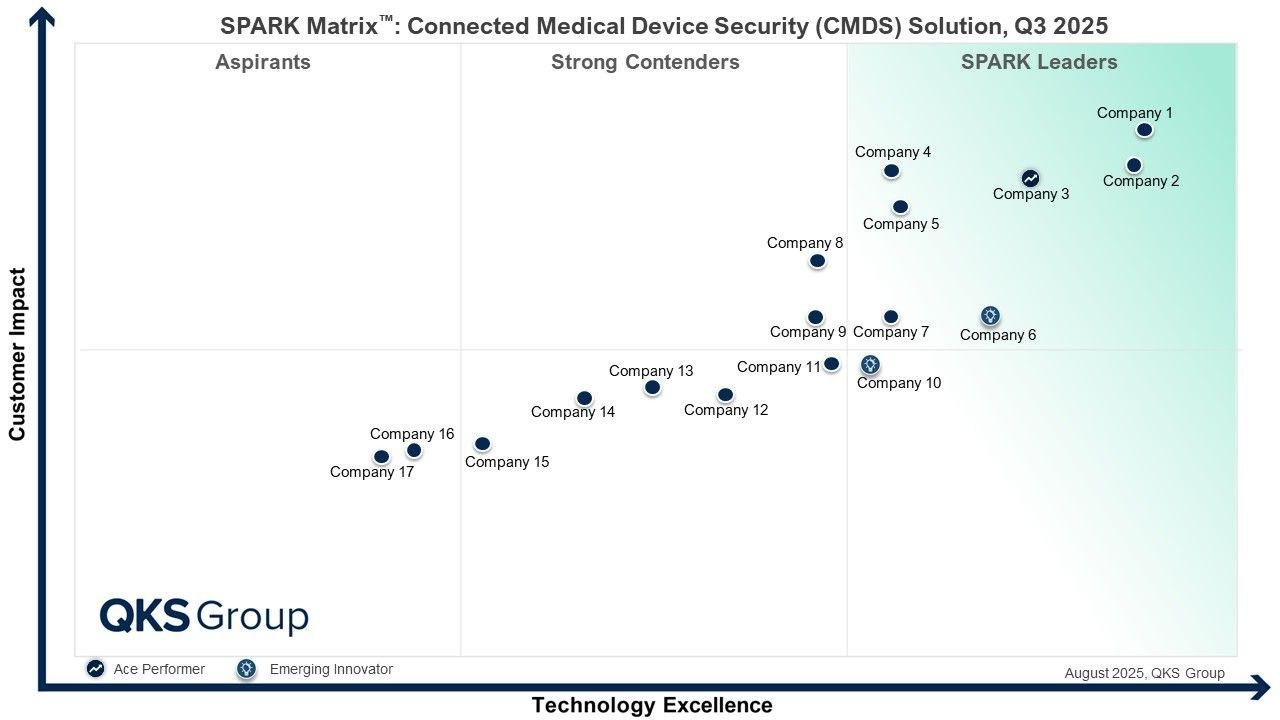
Healthcare organizations are experiencing an unprecedented wave of digital transformation. Hospitals, clinics, diagnostic centers, and healthcare networks increasingly rely on connected medical devices to improve patient outcomes, streamline clinical workflows, and enhance operational efficiency. From infusion pumps and patient monitors to imaging systems and wearable medical technologies,...
If you are looking for a fresh action-combat looter shooter that values player agency, Duet Night Abyss (DNA) delivers a distinct blend of fluid movement, weapon freedom, and a dual-protagonist story. After logging in, you pick your first main character (MC). This choice sets the tone because the narrative unfolds from two opposing perspectives: one human and one from a demon-like race. You...

Dan Gilroy Commences Production on New Netflix Horror Project Acclaimed filmmaker Dan Gilroy has begun shooting his third directorial venture in Los Angeles this March. The as-yet-unnamed project marks Gilroy's first collaboration with streaming giant Netflix, who plans to release the film later this year. The production reunites Gilroy with "Nightcrawler" stars Jake Gyllenhaal and Rene Russo,...
The Nexus Sea event in Mobile Legends: Bang Bang offers players a captivating chance to obtain exclusive skins inspired by the mysterious depths of the ocean. This themed draw features two iconic heroes—Layla and Thamuz—each transformed with stunning visual effects that embody contrasting forces of the sea. Layla’s Nexus Sea skin exudes serenity with calming shades of blue,...
К концу текущего года на консоли Xbox One появится долгожданная версия популярной игры, которая ранее завоевала сердца миллионов на платформе Steam. Этот захватывающий симулятор выживания, наполненный динамичными перестрелками, станет доступен эксклюзивно для обладателей Xbox One. Что такое PUBG Mobile и почему она так популярна? PUBG UC — это внутриигровая премиум-валюта, с помощью...